

Choppy layers: A layered haircut with texture
Choppy layers is a haircut characterized by irregular layers and sharp ends. Unlike flowing layers, it creates an intentionally "choppy" effect that gives hair texture, movement and a modern edge.
 7 BARBER / PLZEŇ
Choppy layers is a cut characterized by irregular layers and sharp ends. In contrast to flowing layers, it creates an intentionally „torn“ effect that gives the hair texture, movement and a modern edge.
What are choppy layers
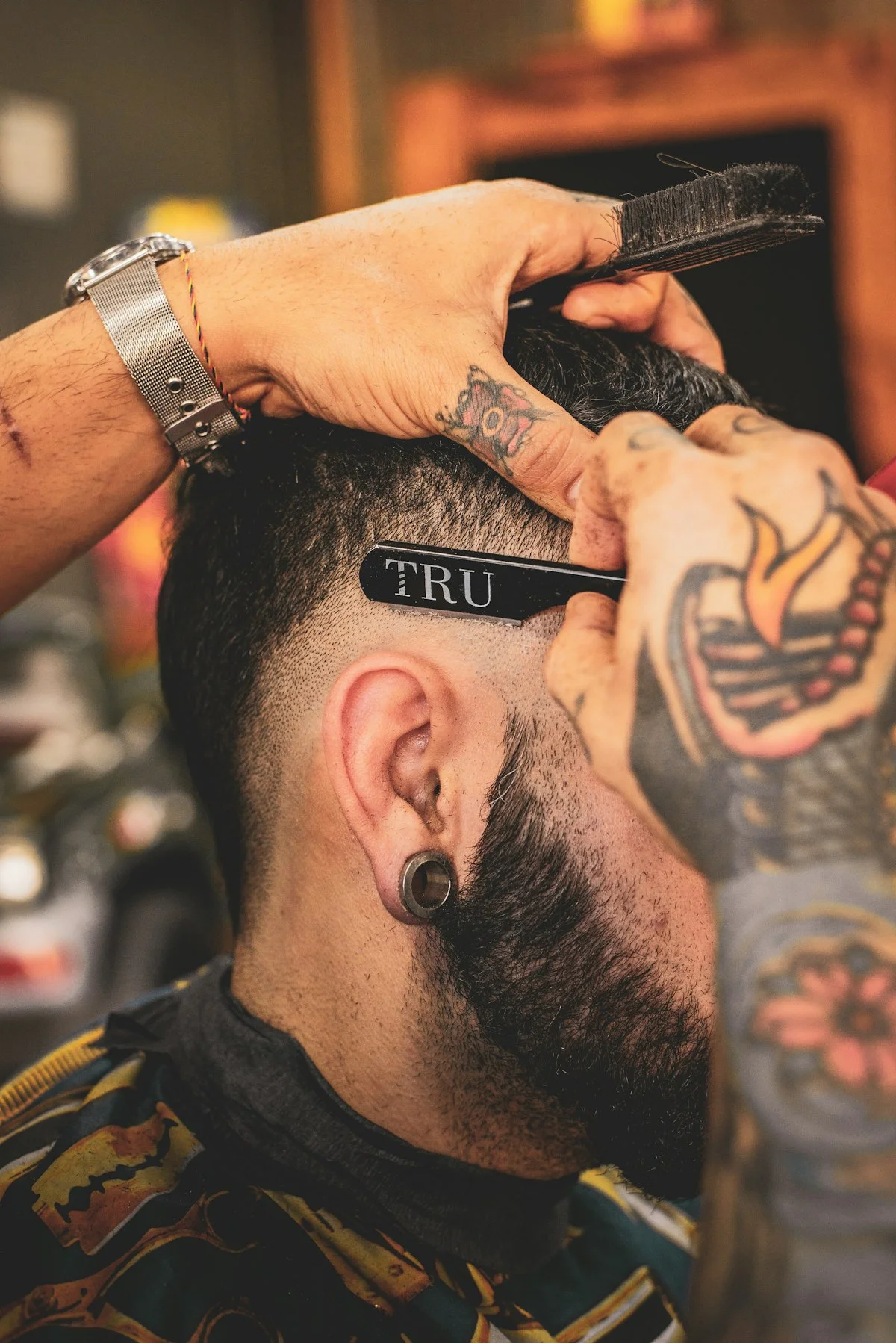
Choppy (= choppy) layers are created by cutting into irregular lengths. Barber uses a point cutting or razor cutting technique to create sharp, textured ends. The result is a controlled „mess“.
Choppy vs classic layers
Classic layers: Smooth transitions, rounded ends, smoother look. Choppy layers: Sharp transitions, textured ends, more vibrant movement. Choppy layers are bolder and more modern, classic layers are more conservative.
Who choppy layers suit
Thick hair: Layers lighten the volume and add movement. Straight hair: Texture adds interest to otherwise flat hair. Medium length: The choppy effect best stands out at 5-15 cm. Bolder personalities: It is a statement cut.
Less suitable for very fine or thin hair – choppy effect can emphasize the lack volume.
Variations of choppy layers
Choppy fringe: Textured bangs with sharp ends. Choppy crop: Short crop with textured top. Long choppy layers: Longer hair with distinct layers. Choppy undercut: Combination with shaved sides.
Styling choppy layers
- Apply texturizing spray or sea salt spray
- Blow dry against the direction of growth for volume
- Apply to dry hair matting paste
- Fingers define individual strands and layers
- Pull out some strands to emphasize texture
Choppy look products
Sea salt spray: Natural texture and waves. Texturing powder: Volume and grip without weight. Mattifying paste/clay: Definition and hold without shine. Avoid glossy pomades – they don't match the aesthetics of this cut.
Maintenance
Choppy layers require regular revival every 4-6 weeks. As the hair grows, the sharp ends are rounded and the effect fades. Between visits, you can use a texturizing cut to maintain the look.