

Shaving
Ingrown Hair: Prevention and Treatment
Ingrown hair is a painful and unpleasant problem that many men suffer from. Fortunately, there are effective methods of prevention and treatment.
7 Barber editorial team··2 min read
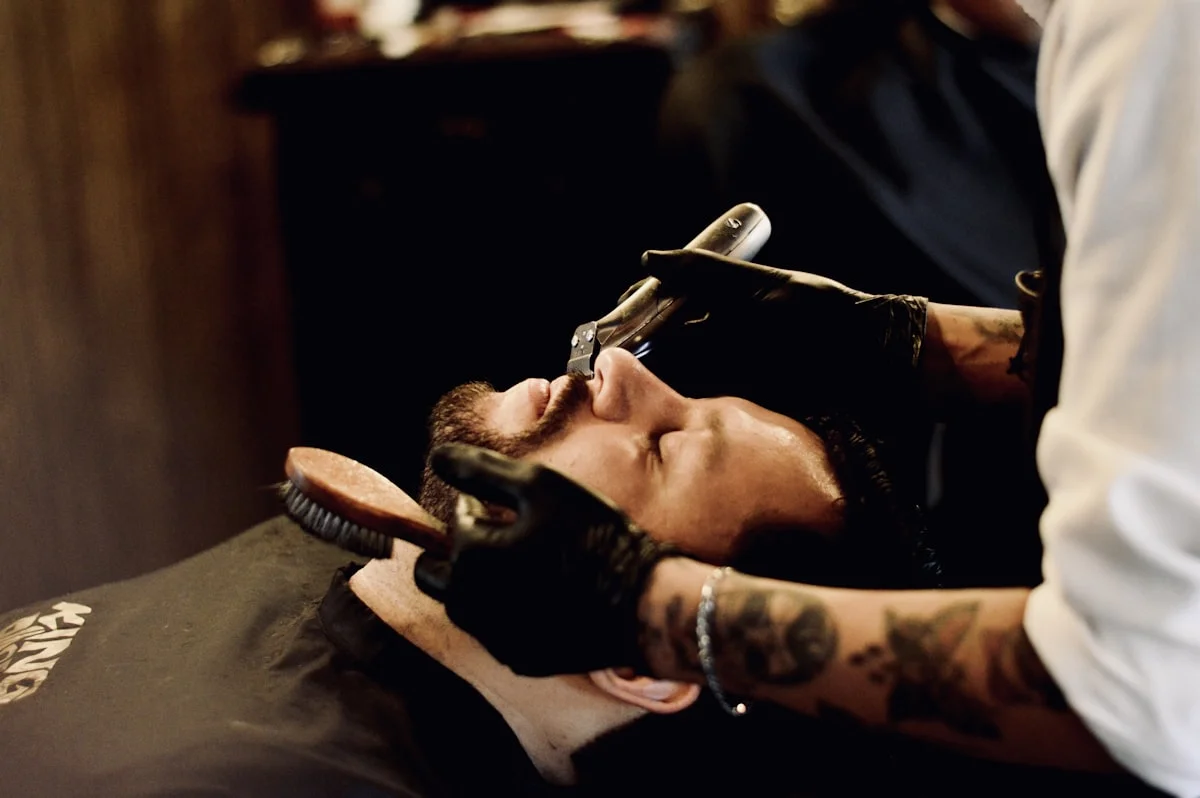 7 BARBER / PLZEŇ
Ingrown hairs after shaving are a painful and unpleasant problem that many men suffer from. Fortunately, there are effective methods of both prevention and treatment.
What are ingrown hairs
Ingrown hairs occur when the beard curls back after shaving and grows under the skin instead of growing out. The body then reacts with inflammation – a red, painful pimple appears.
Why ingrown hairs
- Curly or coarse beards: Tend to curl
- Shaving too close: The beard is cut below the skin level
- Blunt razor: Pulls and pulls out the beard
- Shaving against the direction of growth: Increases the risk
- Dead cells: Block the exit of the beard
- Tight clothes: Rubbing on neck
Prevention of ingrown hairs
Correct shaving technique
- Always use a sharp razor
- Shave in the direction of beard growth
- Do not stretch the skin too much
- Do not shave too closely
- Rinse the razor after each stroke
Skin preparation
- A hot towel before shaving opens the pores
- Use a good shaving cream or gel
- Exfoliate the skin 1-2x a week
Aftershave care
- Cold water closes the pores
- Apply aftershave with acid salicylic acid
- Moisturize the skin
Treatment of ingrown hairs
Home treatment
- Warm compress: Softens the skin and can loosen the hair
- Gentle exfoliation: Helps loosen the hair
- Sterile needle/tweezers: Carefully loosen the end of the hair (DO NOT PULLING)
- Hydrocortisone cream: Reduces inflammation
What NOT to do
- Do not squeeze or do not squeeze
- Do not pull the hair
- Do not shave over the inflamed area
- Do not touch with dirty hands
Alternatives for susceptible men
- Electric shaver: Not a close shave
- Trimming: Stubble instead of a close shave
- Single blade: One razor is better than more
When to see a doctor
- Repeated infections
- Large, painful cysts
- Symptoms of infection (pus, fever)
- Scars from ingrown hairs
SHARE ARTICLE